Why Malta Should Be Your Next Mediterranean Escape
In the middle of the central Mediterranean, between Italy and North Africa, lies a rocky archipelago surrounded by crystal-clear waters and packed with more than 7,000 years of history. Across its compact islands, centuries-old cities, prehistoric temples, colorful fishing villages and limestone shores make Malta feel far more substantial than its size might suggest.
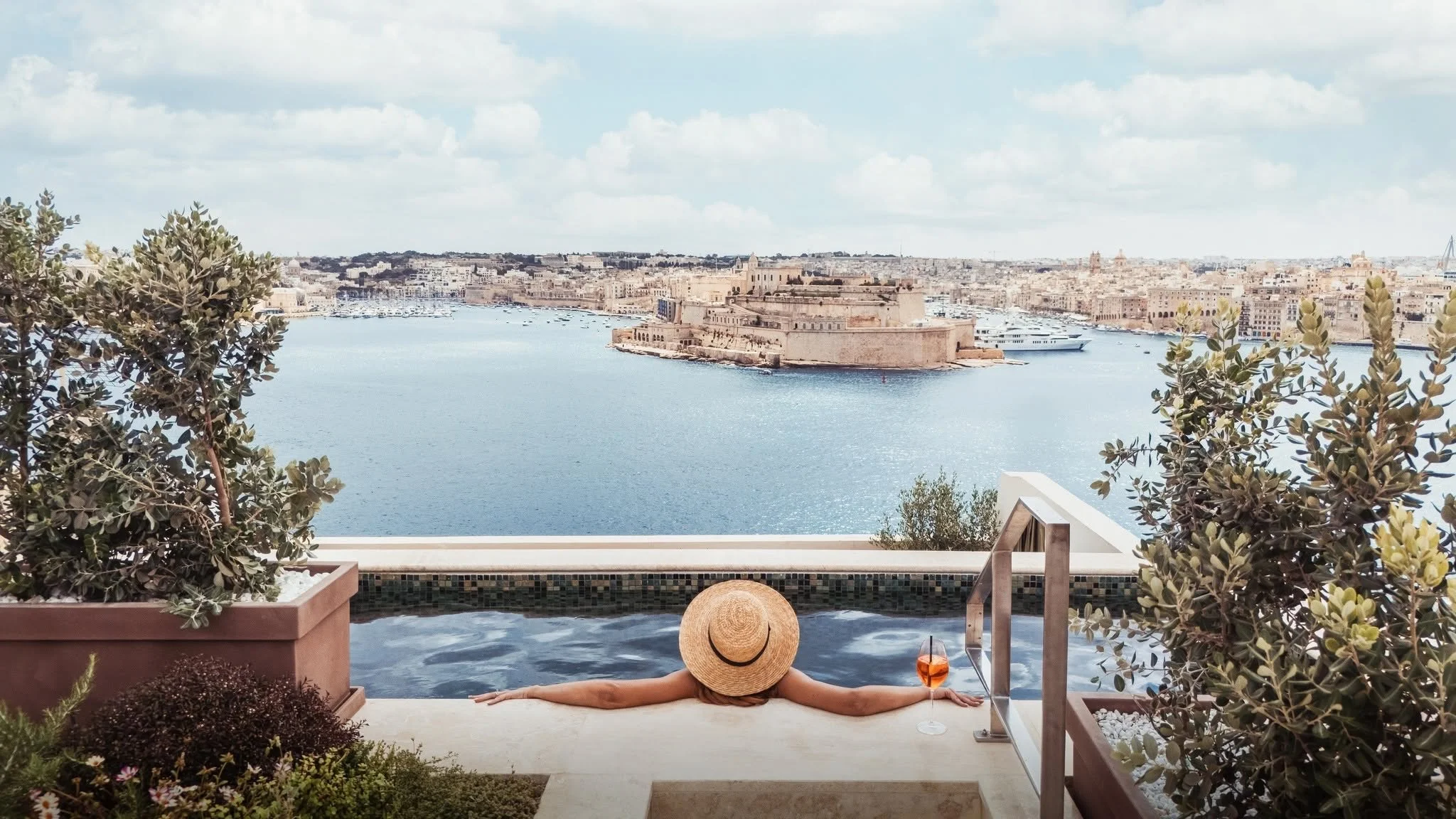
Iniala Valletta
Long known as a popular cruise stop, Malta is now drawing more attention as a destination in its own right. A new wave of luxury hotels is opening in restored palazzos, while seven Michelin-starred restaurants appear in the 2026 guide. Italian, Arabic and British influences still shape the islands today, from the food and architecture to the language, with English widely spoken throughout Malta. Visit in late spring or early fall for warm weather and fewer peak-season crowds.

For such a small country, Malta packs in an impressive number of places worth seeing. In Valletta, step inside St. John's Co-Cathedral for an unexpected display of Baroque grandeur, from gilded stonework and marble tombstones to masterpieces by Caravaggio. Afterward, explore its steep lanes and public squares filled with cafés, shops and views of the Grand Harbour.
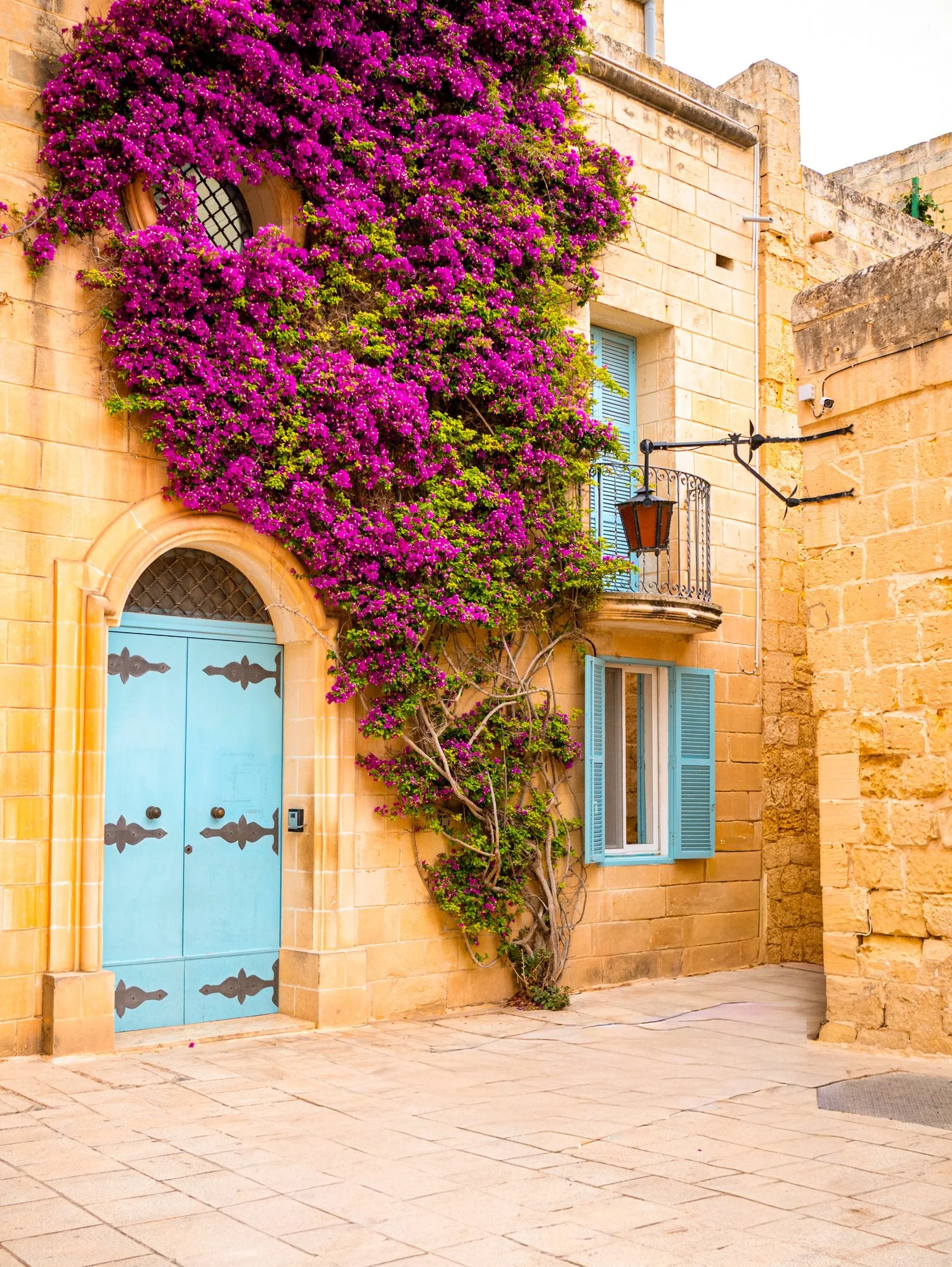
Nearby Mdina reveals another side of the island. Malta's former capital is a walled medieval city known as the Silent City, where narrow limestone streets are especially atmospheric after the daytime crowds leave. A private guide or dinner within the city walls makes the visit even more memorable.
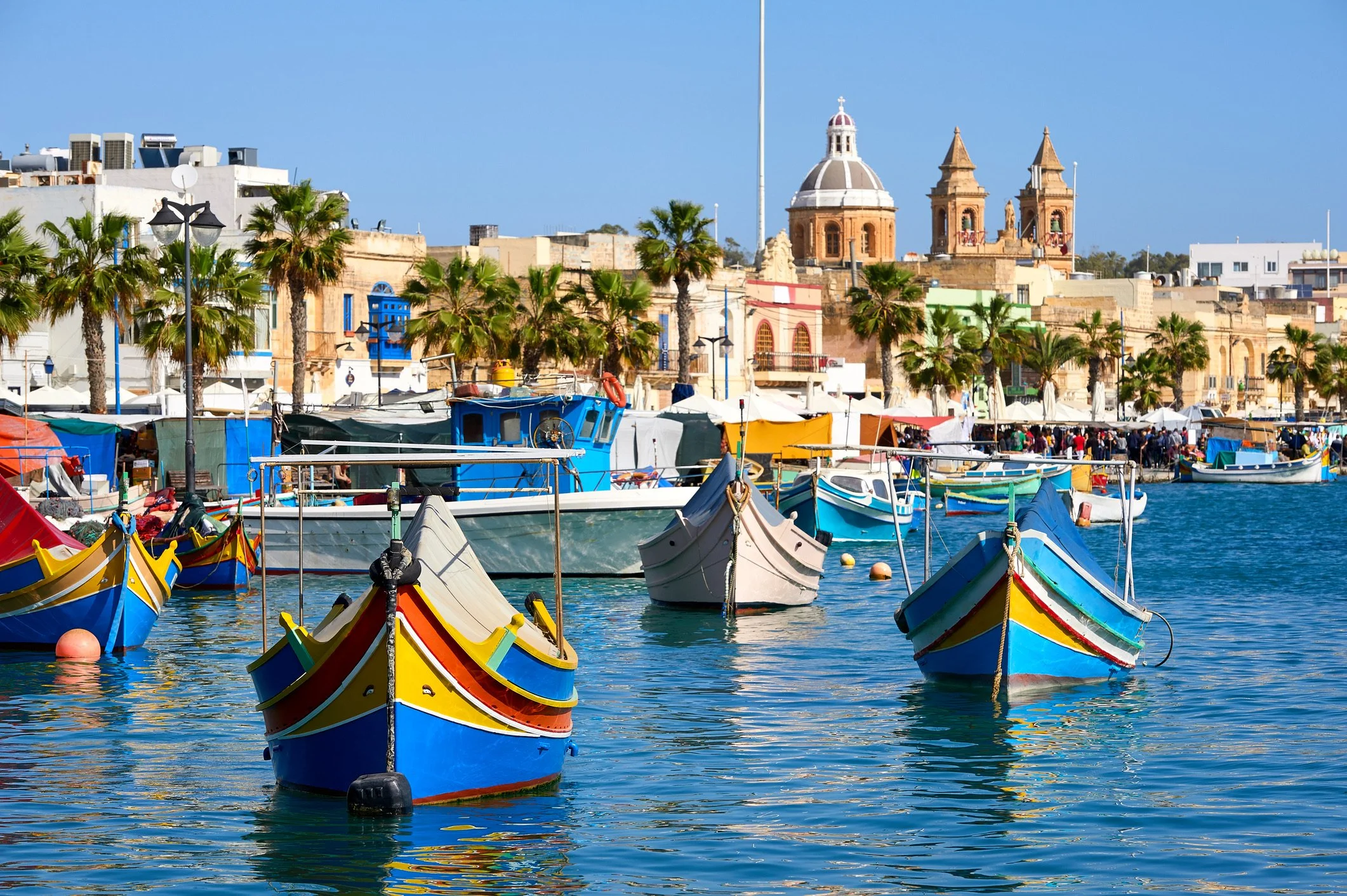
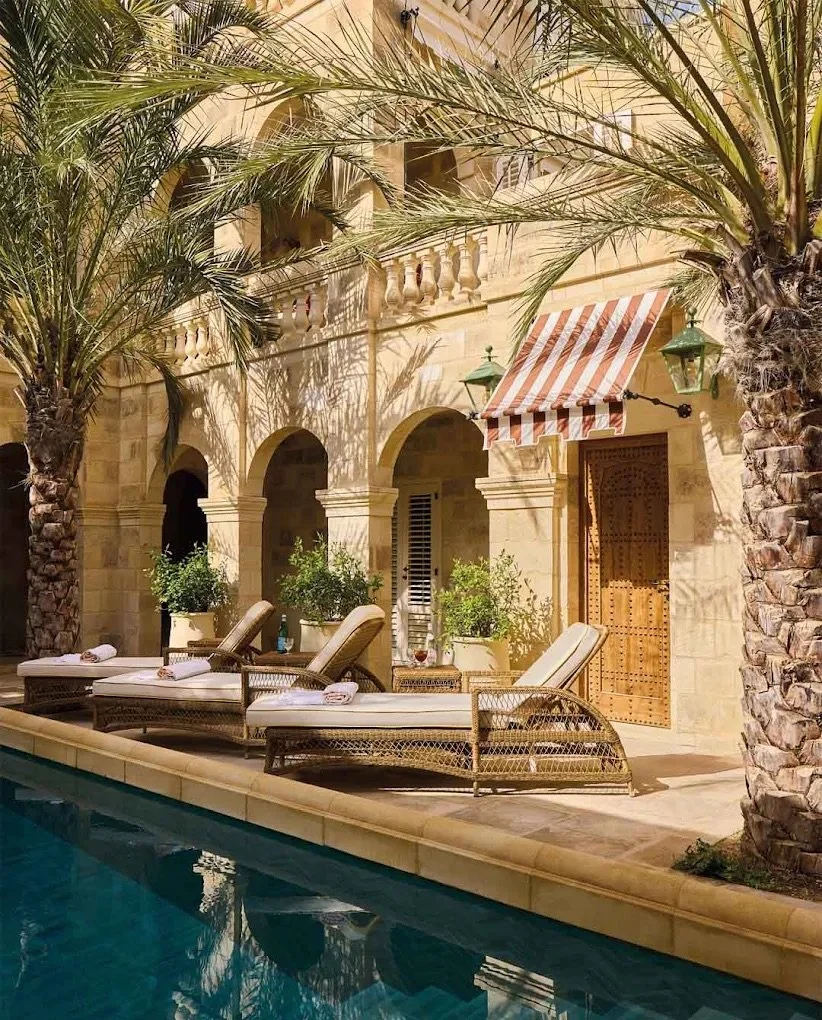
A private yacht is one of the best ways to experience Malta’s coastline, with time for Comino, secluded coves and the famous Blue Lagoon, where timed reservations now manage the number of visitors going ashore. Away from the main resort areas, Marsaxlokk offers a glimpse of traditional fishing-village life, while neighboring Gozo is worth an overnight stay for its farmhouses, cliffside views and archaeological sites.